Start with a map and your own priorities
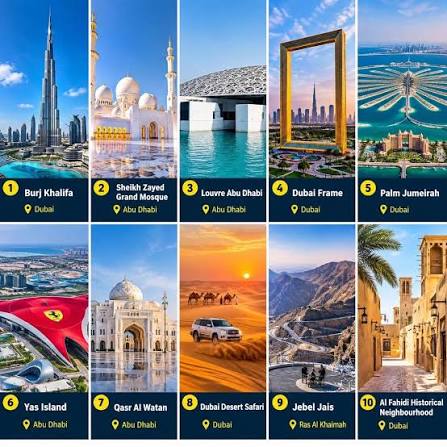
A list of famous attractions is a useful first glance, but it rarely tells you how a trip will actually feel. Begin by identifying why you want to visit, how long you will stay and the pace that suits the people travelling with you. Then look at the geography: distances between neighbourhoods, airport location, terrain and how you will move around without wasting much of each day.
Choose a few experiences that genuinely interest you rather than trying to reproduce someone else's entire itinerary. Museums, outdoor activities, architecture, food and quiet neighbourhood walks have different demands on time and energy. Build the route around those needs instead of assuming every landmark belongs on a single day.
Use local and official sources together
Official tourism bodies, transport operators, national parks and attraction websites can help verify access, fees and opening information. Recent local reporting can add context about events or transport changes. Compare these sources with carefully chosen independent travel writing that explains personal experiences and limitations rather than repeating marketing descriptions.
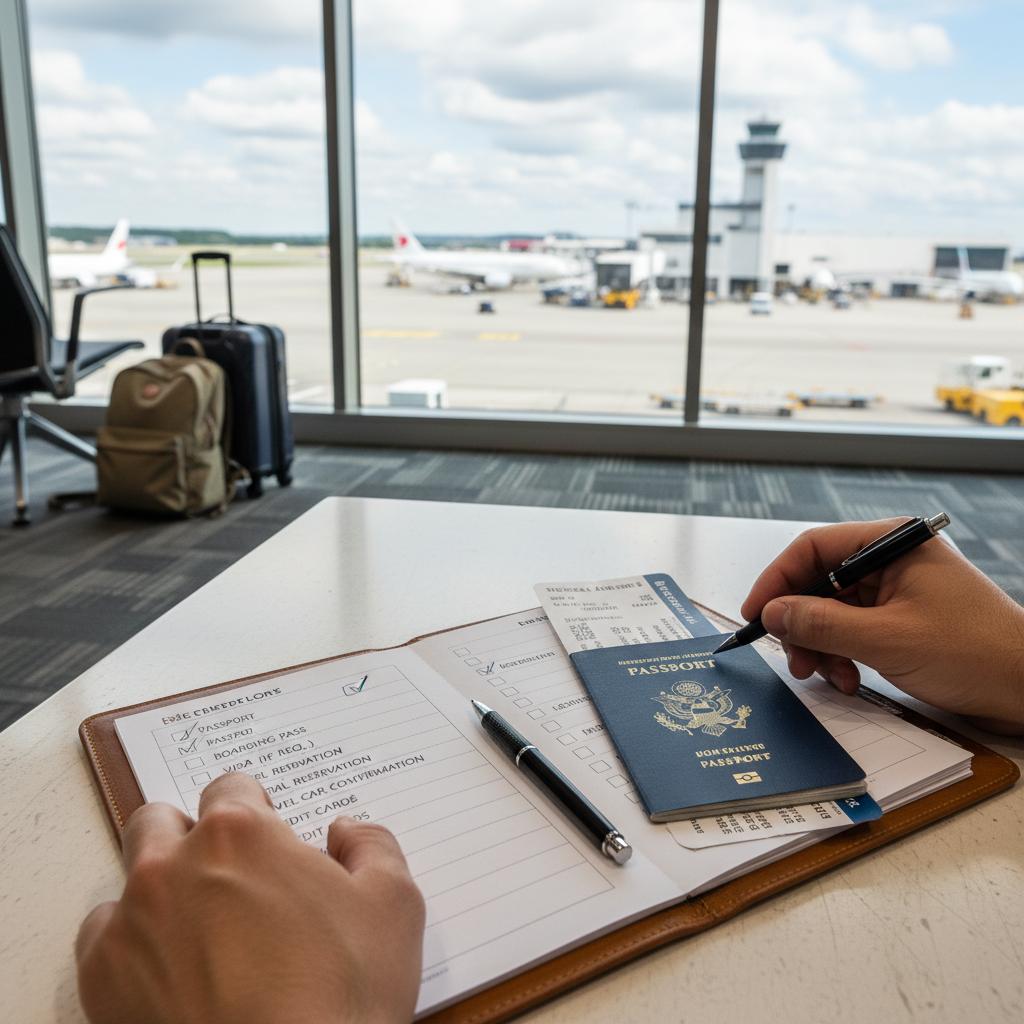
If a destination has different entry rules for different nationalities, use the government or diplomatic website that applies to your passport. Check public-health and safety advisories close to your travel date. A guide is a research starting point, not a substitute for authoritative current requirements.
Choose where to stay based on the journey
A hotel on the edge of town may be cheaper, but transport time and late-night return options can change its real value. Compare locations using the trips you expect to make each day. Read recent accommodation details carefully for accessibility, lift access, noise policies and any fees that matter to you.
If travelling as a group, ask each person to identify one high-priority experience and one practical need. That can reveal conflicts early: an early-morning trek may not combine comfortably with a late-night event. A realistic plan respects everyone's energy and makes space for individual interests.
Think about your impact
Before booking a wildlife, marine or cultural experience, ask how the operator manages safety, environmental impact and consent from participating communities. Check whether the activity respects local rules, sensitive sites and animal welfare. Avoid activities that involve handling wildlife or entering restricted areas simply to obtain a photograph.
Learn a few locally useful phrases and read basic etiquette information from reliable resources. Following posted signs, respecting photography restrictions and choosing services transparently help you interact with a place as more than a backdrop for a checklist.
Leave room for what you discover
Build a first-day plan that allows for travel fatigue and an uncertain arrival time. Keep one flexible afternoon for a neighbourhood you hear about locally, a longer meal or weather-related changes. Store important addresses and transport routes offline and share the essential itinerary with someone who needs to know it.
Destination research works best when it helps you make your own choices. A smaller list of well-understood places, safe and realistic logistics and some curiosity about local life often create a more meaningful trip than rushing from one famous photograph to the next.