Understand the geography first
Panama connects two oceans and offers very different experiences within one country. Panama City has a contemporary skyline and historic quarters; the canal is a major engineering attraction; the highlands provide cooler scenery; and coastal areas appeal to beach travellers. These places are not interchangeable day trips. Draw your itinerary around two or three priorities and calculate real ground-transfer times before locking in accommodation. Check how your flights line up with domestic travel if you are connecting to a more remote destination.
Panama City and Casco Viejo
Casco Viejo is a natural starting point for historic architecture and a walk through the older part of the capital. Pair it with time elsewhere in Panama City to get a more balanced impression of its scale and neighbourhoods. Some restored historic streets remain uneven, so confirm mobility access where needed. Plan outdoor walks with heat and sudden showers in mind. Many visitors can combine the historic district with a separately planned canal visit, but opening hours and transport should be checked in advance.
Seeing the Panama Canal
The canal is more than a viewpoint. To make sense of a visit, research which visitor facilities are open and how exhibitions or vessel-viewing times work on the day you plan to attend. Vessel schedules and public access can vary. Use the canal authority’s official channels for current visitor information instead of assuming that a boat will pass at the same time as an older video. If travelling with children, balance time at a viewing facility with breaks and transport rather than treating it as a quick photo stop.
Boquete and the highlands
Boquete attracts travellers interested in highland scenery, gardens, coffee and walking. Whether it fits your trip depends on the transfer from your other stops and the length of your stay. Research activity operators carefully, especially for trails where rain or terrain can change conditions. A guided visit to a coffee producer may offer context about cultivation and local industry, but check directly which experiences are available. Pack for varied temperatures if you are moving between the capital and higher elevations.
Caribbean islands versus a tight schedule
Bocas del Toro and other coastal areas may tempt travellers to add several island days. Before doing so, check the route from your current base, including any domestic flights, boats and weather-dependent transfers. Book accommodation only after understanding how to arrive and leave. An overnight stop near a departure point may be sensible if you have a fixed international flight. Respect marine ecosystems by using established operators and following local guidance around coral, wildlife and protected areas.
Before paying for the trip
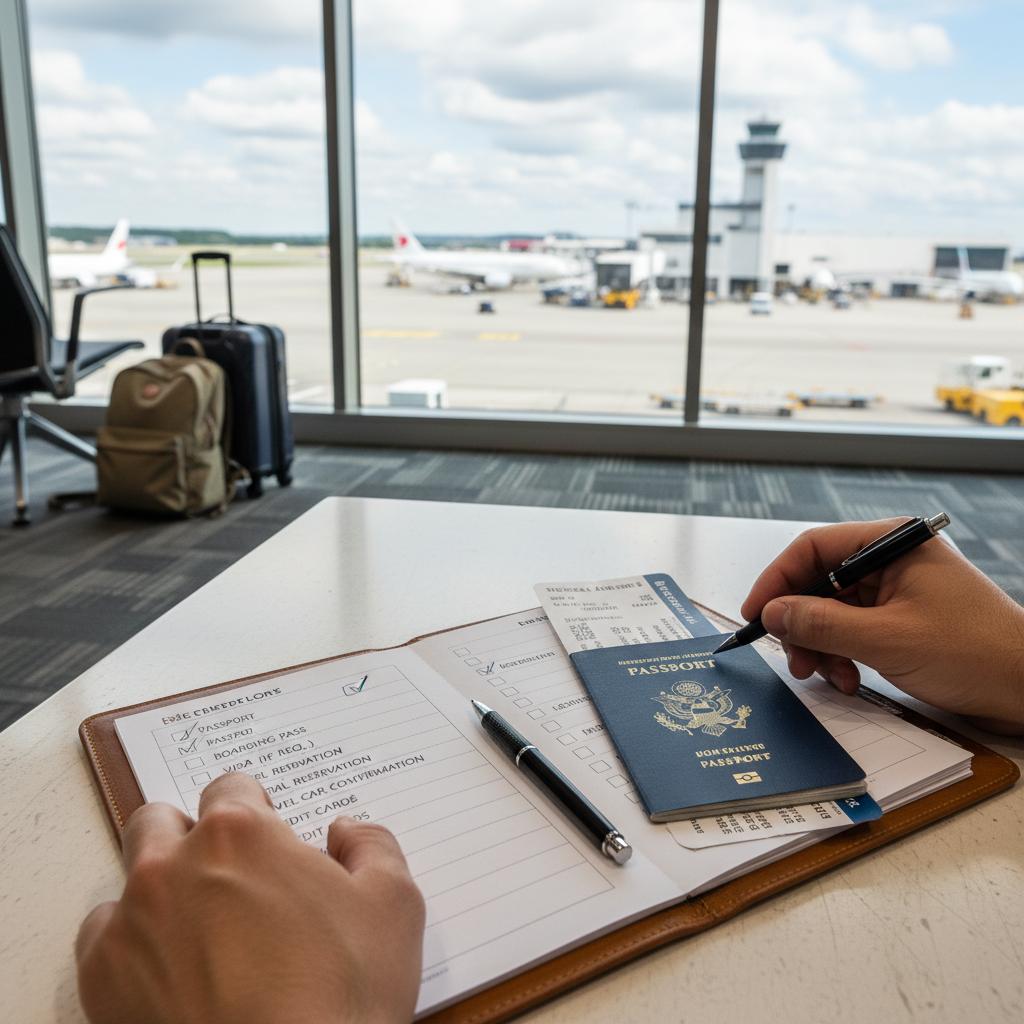
Confirm official entry conditions and any requirements for onward travel using sources applicable to your passport. Look up local transport updates, travel insurance coverage and seasonal weather patterns for each region; conditions can differ significantly between coasts and highlands. Rather than packing all Panama’s landscapes into one week, choose a route with spare time. Good planning makes room for both the canal’s scale and the quieter everyday experiences that give a trip its character.