Flying feels simpler lately. More airlines are putting in routes to far off vacation spots. Many travellers notice the shift right away. Lines may move faster. There may be fewer layovers. Even a trip that begins at home can feel less stressful.
By 2026, a lot of airlines say they will grow their international routes across Asia, Europe, the Middle East, and Africa. At the same time, more flights without stops are arriving from India. That can remove the need for an extra stop in many cases.
Fresh routes are now pairing Indian cities with Athens, Reunion Island, Abu Dhabi, Tokyo, and Shanghai. In other words, fewer stops means less travel time wasted on changes.
This can affect almost anyone. It helps with a short escape, a family visit, work travel, or a longer stay abroad. A destination that once felt out of reach can feel closer when there is one direct flight.
New International Flights Are Opening More Places to Visit
India shows this shift clearly. In 2026, airlines have rolled out new international services. IndiGo began flying direct from Chennai to Reunion Island. At the same time, direct flights started between Delhi and Athens, and also between Mumbai and Athens. Air India also added a new direct link from Mumbai to Tokyo Haneda. Direct travel options have grown too, with more routes between Indian cities and places such as Abu Dhabi and Shanghai.
Instead of waiting through long hours at a transfer airport, passengers can sometimes fly straight to where they need to go. That can matter a lot for families, for older travellers, and for anyone travelling with young children.
This trend is not only about India. Airlines in many countries are pushing into new international destinations and building stronger links to places they already serve. United Airlines, for instance, said it will add 10 new international cities in 2027. The list includes Okinawa in Japan, Toulouse and Marseille in France, and also Luxembourg City, Ljubljana, Ibiza, Valencia, Olbia, Catania and Terceira. United also pointed to more routes for Osaka, Milan and Paris. (United Newsroom)
For people looking up where to go, this broader network opens up new chances. Some destinations may become easier to fit into a holiday because airlines have built better connections.
Some people still start with the usual big names. Paris, Tokyo, Bangkok, Rome, Barcelona. Yet in the last stretch, smaller towns and lesser known spots have been showing up more.
Google also released a view for 2026. It focused on where people say they want to go and what they type in search while they are away. The summary suggests that a single traveller is taking more trips in the year. It also matches what people call slow travel. Google said many travellers are worn out by fast stopovers. They prefer to stay longer in one place. They also want to pick their own schedule.
Popular Destinations Are Becoming Easier to Reach
Nonstop flights do more than save minutes. They can also change how people plan a whole trip.
Think about the old way. A journey used to break into two separate flights. The traveller had to leave earlier, wait in a big airport for hours, then line up again to board the second plane. With a nonstop option, the same trip can feel calmer and less messy.
This is also why new long distance routes get attention. When a destination becomes easier to reach, travellers often reconsider places they would normally skip. Travel businesses watch too, because visitor numbers can rise when access gets better.
Another case is Athens. Direct flights from Delhi and Mumbai let Indian travellers get to Greece without switching at another major overseas hub. For many, that makes a European break simpler. It also helps when plans include Athens plus other Greek islands, or stops on the mainland.
Tokyo is simpler from Mumbai too. Air India has begun nonstop flights to Haneda. Haneda can bring travellers to Japan’s capital with less back and forth. Flights to Narita still exist, but they add more steps for those who must connect. (Conde Nast Traveller India)
More flights are showing up in more places. This is altering how people move between the Middle East and East Asia. New routes link Indian cities with Abu Dhabi, Dubai, and Shanghai. For some travellers , that adds more options for work trips and vacation plans.
One common way this plays out looks like this. Say you leave from Europe, like Athens. You might stop in a second city on the way to your main stop. Then you might come back through a different airport. If your end point is Japan, you could touch down in Tokyo first. After that, you travel on to Osaka. You might also make another stop while still in Japan. For a trip aimed at Southeast Asia, you could start in Bangkok and then go to a nearby country after.
A new set of flights does not always bring cheaper fares. Once you choose a route, the price can move fast. Your travel dates can change the total amount. The number of seats you want for the same dates can also push the cost up. During high demand weeks, prices can be higher. Even the day you book can shape what you pay. Check the full amount, not just the first number shown.
You might also get added fees later. Baggage limits may lead to an extra charge. Some ticket types can cost more when you want to pick seats. Food and drinks can vary by fare tier.
How often a flight goes is another key factor. If a flight runs daily, it is easier to fit schedule changes into your plan. If it runs only a few days each week, your choices get smaller. Before you buy, confirm the exact days of operation. Then make sure those days match your full schedule.
How Travellers Can Find the Right Places to Visit
More flights from more departure spots can make trip planning feel more stressful. It looks like it would be simpler, but it often does the opposite. Schedules get crowded fast. Then you end up putting in extra effort to build a real plan. You are not just tapping the first low fare you see.
First, decide what you want to get out of the trip.
Or maybe you care more about food and day to day life. Bangkok, Tokyo, and Barcelona feel nothing alike. When you plan sights, do not only pick the biggest city names. Add smaller towns as well. Also, include nearby areas that you can reach by using international airports.
A one stop trip can cost less. At the same time, nonstop can be the safer pick if you care about time. It may also help if you want fewer chances for travel delays to spoil your schedule.
Also, look at airports close to where you live. Do not lock yourself into just one airport by default. Many cities have more than one. One may have many flight options. Another may have less.
Tokyo shows this clearly. You can fly via Haneda or Narita. Major cities in Europe work in a similar way, with flights split between airports. Each airport can mean different airlines and different routes. Once you see which airport works best for what, it gets easier to pick where you will stay and how you will get around.
Use this same approach when you book. If your local airport has poor direct service to your destination, try airports that are not far away. The short drive or train ride can be worth it, mainly if it helps you avoid a long and tiring international trip.
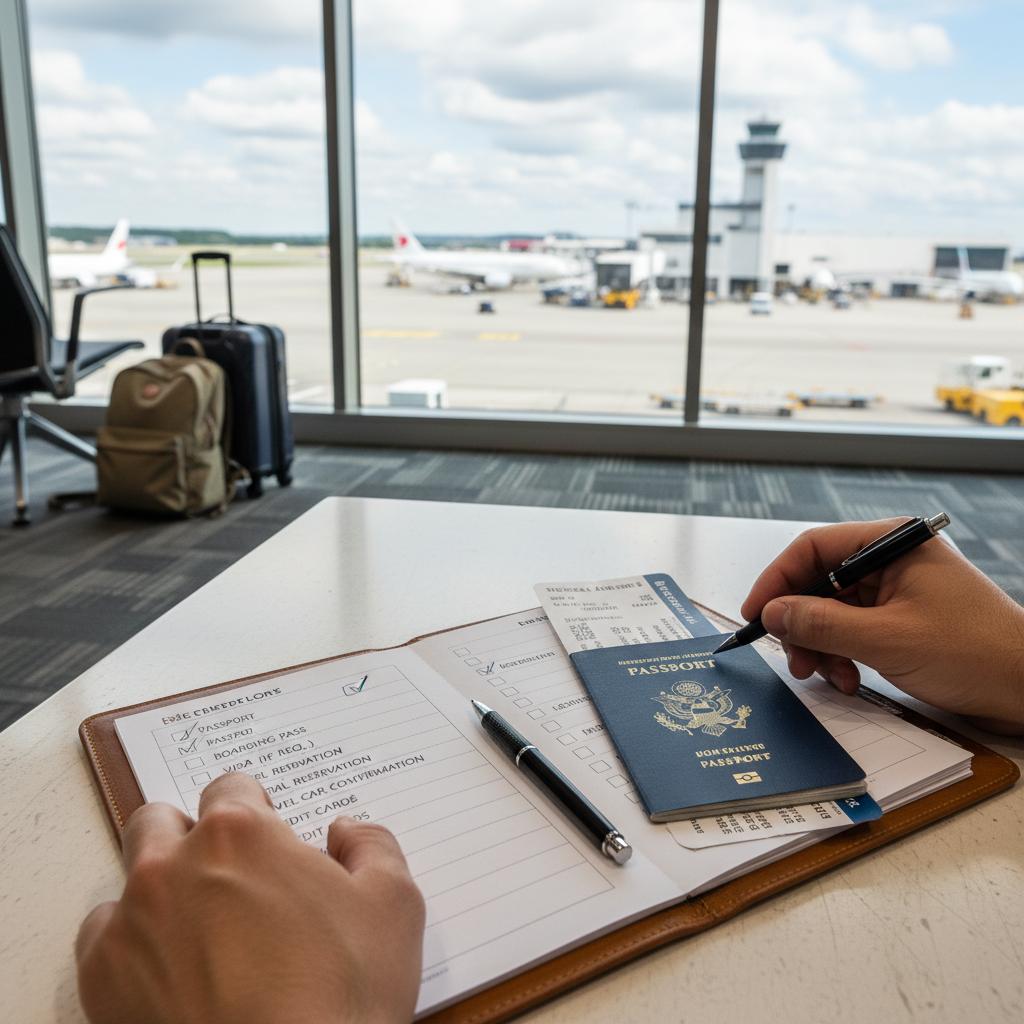
Be sure you read the visa rules before you buy tickets. A new flight route does not guarantee the entry rules are also updated. Even two people with the same kind of passport can get different instructions at the border. One person may get a visa check. Another traveller may have to use an eTA. Some trips include stopover tasks you must finish. Which steps you face can depend on the country you leave from.
Then handle the basic checks. Confirm you have travel insurance. Look at how much time is left on your passport. Find out if any health requirements apply. After that, read the entry rules for the exact place you will arrive.
New international routes can also make smaller towns easier to reach. When an airline begins service to a region, it can feel simpler to get there. Schedules can change fast, so the trip may seem easier than it did before.
That does not mean you should only aim for big cities. Some of the best travel days happen in small towns, coastal areas, cultural blocks, and calm nature spots away from crowds.
With more flights available, reaching these places can get easier.
International travel can change quickly. New routes can alter what is possible. Airlines may add added stops, run more flights, and connect places that once took more effort to reach.
A trip that used to feel out of reach might be a direct flight now. A vacation that meant multiple stops could turn into one smooth ride.
A fresh route may also show up a place you had not thought about.