One base or several?
Malta is compact enough to tempt visitors into planning the entire archipelago as a series of day trips. Yet a map does not show busy roads, ferry schedules or the time spent walking through historic streets. For a short visit, choose a convenient base and organise outings around the areas you most want to explore. Valletta gives you historic architecture and transport connections; other localities may suit travellers prioritising waterfront walks or quieter evenings. Verify public transport routes from your specific accommodation rather than assuming every beach and attraction is close.
Valletta: appreciate the layers
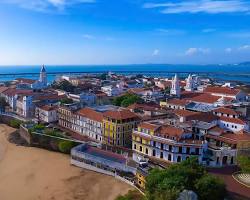
Valletta rewards travellers who leave time to look beyond the main viewpoint. Walkable streets lead to churches, museums, harbour views and layers of history. Choose the sites that genuinely interest you and check their official opening hours. Many streets are steep, and summer afternoons can be hot, so build in breaks and comfortable footwear. If you are interested in history, a walking tour can help put individual buildings into context, but research the guide and itinerary before booking.
Mdina and the surrounding area
Mdina offers a contrasting atmosphere with its enclosed historic streets and views across the island. Visit with enough time to walk rather than simply collecting photographs. Nearby attractions may fit the same outing, but do not cram the day with geographically scattered stops. Before visiting churches or cultural venues, confirm visitor hours and dress expectations. Anyone with mobility requirements should investigate routes carefully because historic areas often include cobblestones, inclines and steps.
Gozo deserves more than a rushed crossing
Gozo has its own character: village centres, rural landscapes and coastal scenery. The ferry crossing is only part of the journey; you still need transport to and from the terminals and around the island. Check current ferry information, potential weather disruption and the last return service. Travellers interested in walking, smaller towns or slower meals may prefer an overnight stay. If you have an international departure the next morning, consider returning to Malta earlier instead of relying on a narrow connection.
Sea, weather and responsible activities
The water is a major attraction, but conditions vary by location and day. Research official beach notices, swimming safety and boat operator standards before committing to excursions. Popular coves can become crowded, especially in peak periods. If the sea is rough or a boat trip is cancelled, having a land-based alternative keeps the day useful. For divers and snorkellers, experience level and current conditions matter more than photographs of a particular site.
Make the budget work
Compare accommodation location against daily transport costs, and allow for ferries, admission fees and paid excursions. A pass is only worthwhile if the venues included align with your actual plan. Verify entry rules for your passport and any European connections using official sources, and check local holiday closures. Malta can support an active cultural break or a relaxed seaside stay; it is easier to enjoy when the schedule matches your interests instead of squeezing in every island landmark.