Start with decisions, not a giant packing list
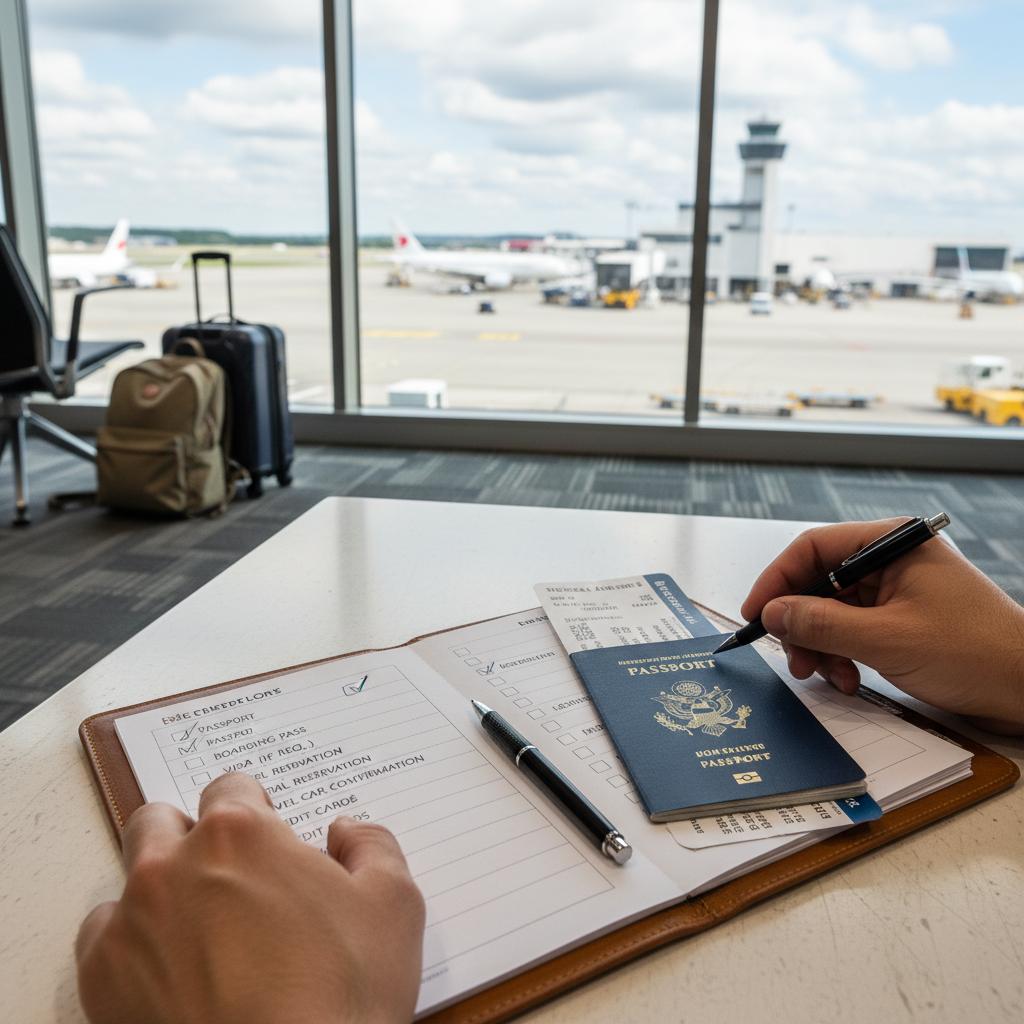
An effective travel checklist begins with your route and the things that could disrupt it. Write down the destination, travel dates, people travelling and the services already confirmed. Put documents, bookings and entry requirements at the top, because these often take longer to resolve than choosing clothes or accessories.
Separate items you must do from optional experiences you may want. A reminder to check official visa requirements deserves an early deadline; a reminder to choose between two museums can wait. If several people are travelling, assign a name to each important task so everyone knows who is responsible.
Use three planning windows
A month or more before departure, where that timeline is realistic, focus on major commitments: entry documents, ticket conditions, accommodation, accessible transport and any necessary travel health advice from an appropriate professional. The exact deadline depends on your destination and passport, so verify processing information with the authority involved.
A week before departure, reconfirm the itinerary, airport terminals and luggage allowances. Save your important contacts offline, plan local transport and review weather forecasts close enough to travel to be useful. On the day before departure, charge devices, organise documents and complete the check-in process when the carrier allows it.
Give packing its own category
Rather than listing everything in one long paragraph, use groups: documents, medication, electronics, clothing, personal care and items specific to your destination. Put cabin-bag essentials in a separate section from checked luggage. A traveller heading for a city break in warm weather has different needs from someone planning a mountain trek.
Check power-bank and battery transport rules, relevant liquid restrictions and any destination-specific medication or customs requirements. A checklist borrowed from another traveller is useful inspiration, but it is not a substitute for verifying what your route permits.
Include arrival-day logistics
A good checklist also covers what happens after landing. Record your accommodation address, the planned transfer, the time of check-in and what to do if your flight arrives unusually late. Download the information needed to reach your destination without relying entirely on a live connection.
Consider the needs of everyone in your party, including mobility support, child equipment, dietary constraints and rest breaks. Adding these details early makes it easier to contact service providers while you still have time to arrange appropriate support.
Keep it short enough to finish
The best checklist is one you can scan in a few minutes. Put essential deadlines at the top and move completed tasks out of the active view. A notes app, printed sheet or shared document can all work; choose whichever you will actually check during a busy travel day.
Leave a small section for things to confirm again close to departure: flight times, official entry requirements, transport disruptions and changing local conditions. Finishing a checklist is useful, but recognising which facts need a final verification is what makes it a dependable travel tool.