Not all connections work the same way
A connection is more than the time between two departure listings. Some itineraries remain within one terminal; others require an airport change, an immigration process or another security check. The airport layout, airline relationship and ticket arrangement determine the steps. Before booking, identify your operating carriers and whether you have one through-ticket or separately purchased flights.
Airlines set minimum connection times for many through-ticketed itineraries, but a minimum should not be confused with a comfortable margin for every traveller. Families, first-time flyers and people who need mobility assistance may reasonably prefer extra time. Check whether a late-arriving first flight would leave you with a usable alternative later that day.
Ask the right baggage question
When you check a bag, find out whether it will be tagged to the final destination or must be collected and checked in again. Separate tickets and some international arrivals may require an additional baggage process. Never assume that two flights on the same airline automatically mean your bag will transfer without action.
Check the carry-on and checked-bag rules for each operating airline, not just the company whose logo appears on the reservation. If one segment is operated by a smaller partner airline, allowance details can differ. Pack medication, documents and essential items in a permitted cabin bag rather than items that might be inaccessible during a disrupted transfer.
Allow for airport and border formalities
If your journey requires leaving the secure transit area, you may need to pass immigration, collect baggage, change terminals, use public transport or pass another security check. Transit and entry rules are nationality- and route-specific. Check the official immigration authority and the airport's own transfer guidance rather than relying on a general rule about a country's visa system.
Look at both scheduled arrival and scheduled departure times, then subtract boarding and gate-closing time. A two-hour connection does not give you two hours to wander after landing. Some airports involve lengthy walks or buses between gates. Published airport maps and the operating carrier can help you make a realistic plan.
Understand disruption protections
A single ticket often provides a more coordinated path for handling an airline-caused missed connection than two independent reservations, but protections still depend on the carrier, jurisdiction and exact contract. With separate tickets, a later airline may treat you as a no-show if your first flight is delayed. This distinction can outweigh a small fare saving.
Review the airline's disruption information, fare rules and any applicable passenger-rights resources for the actual journey. Keep the travel-provider contact details offline. If a delay makes your connection doubtful, speak with the airline as early as possible and document any revised itinerary you accept.
A useful pre-booking checklist
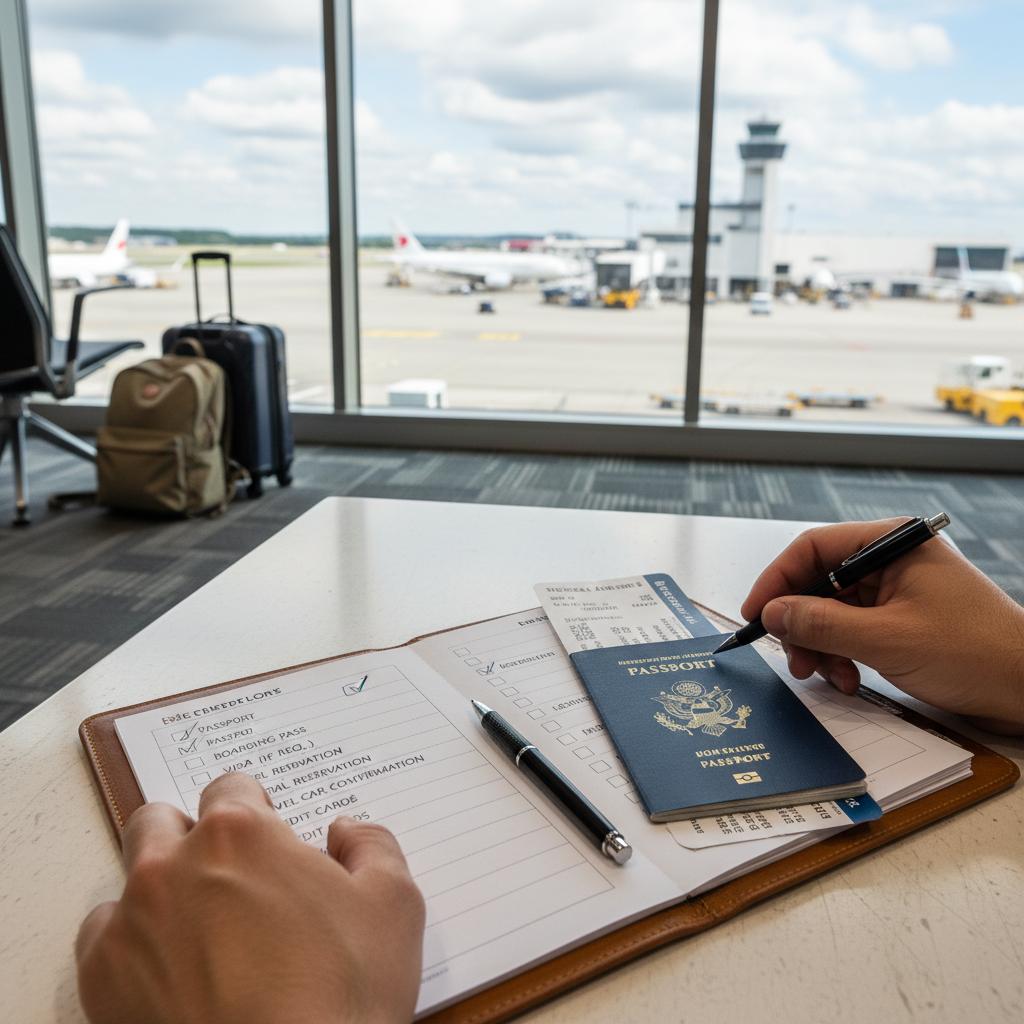
Before checkout, write down five answers: Do I have one ticket or two? What are the operating airlines? Where must I clear immigration or security? Will checked baggage transfer? How much time remains before boarding closes? If any answer is unclear, ask the booking provider to explain before payment.
A well-planned connection is one that suits your own circumstances rather than one that simply meets an advertised minimum. Leaving some room in your schedule can turn an uncertain transfer into a much calmer day of travel.