Why fewer stops can mean a richer trip
Denmark rewards slow exploration. Copenhagen alone has enough museums, neighbourhoods, waterfront spaces and food experiences for several days. Add too many distant stops and much of the journey disappears into transfers. Start by deciding how much time you want in the capital, then choose whether Aarhus, a castle excursion or a smaller coastal town fits the trip. Travellers arriving after an overnight flight should allow space for rest before booking timed attractions.
Copenhagen beyond the postcard view
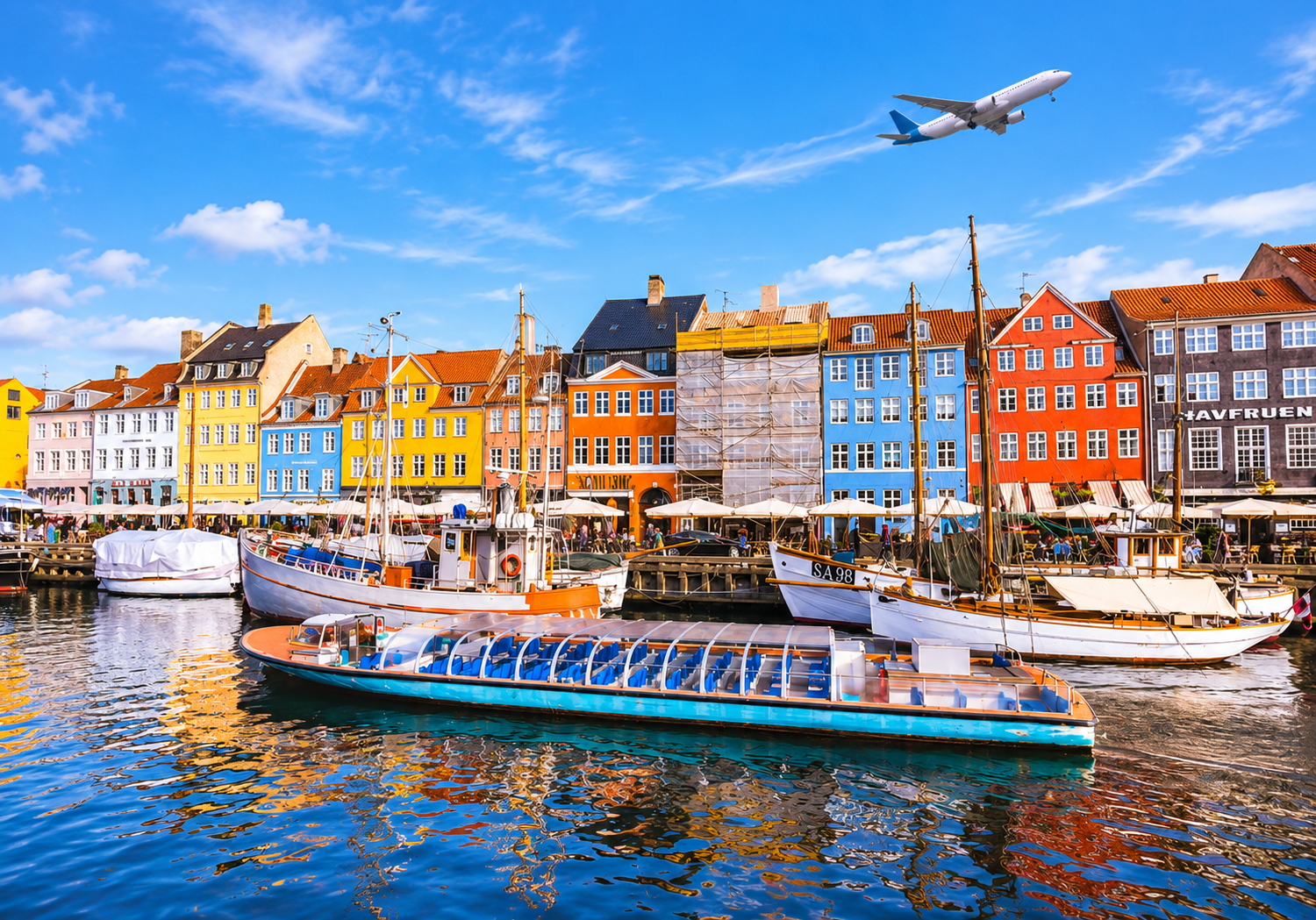
The harbour, historic centre and canal-side streets are familiar starting points, but the city is best understood on foot or by public transport between different neighbourhoods. Combine one major attraction with time for an unplanned market visit or a long walk, rather than booking every hour. Cycling is integral to local transport; visitors who rent bicycles should understand marked lanes and junction rules. If you are not comfortable cycling in urban traffic, the city also has extensive transit options. Weather can change quickly, so carry a layer even on a promising morning.
Choose a meaningful day trip
Popular options from Copenhagen include palace towns, museums outside the centre and destinations connected by rail. Before selecting a day trip, compare its actual door-to-door time rather than the fastest train shown in a search result. Include travel to the station, waiting time, opening hours and the walk from the arrival stop. A shorter trip that allows time for lunch may be more rewarding than an ambitious itinerary involving multiple changes. Look up current exhibitions at the institution’s official website so that a planned highlight is not closed.
Aarhus and the wider country
Aarhus offers a different urban perspective, with contemporary architecture, cultural venues and access to nature. You can connect it with Copenhagen by public transport, but build the journey into the schedule rather than treating it as invisible. Denmark also has many islands and coastal communities, some best reached by a combination of train, bus and ferry. Check ferry frequency carefully outside summer. A flexible plan in a smaller town is preferable to relying on the final departure of the day.
Budgeting for an enjoyable visit
Accommodation, restaurant meals and attractions can make up a significant share of a Denmark budget. Compare total costs for different neighbourhoods, not only hotel rates; a room slightly farther out may be practical if a direct metro or rail route reaches the places you want to visit. Many experiences, including parks, waterfront walks and design-focused neighbourhoods, do not require a packed attraction schedule. Investigate city passes against the activities you will genuinely use, not just their advertised list of benefits.
Practical checks before booking
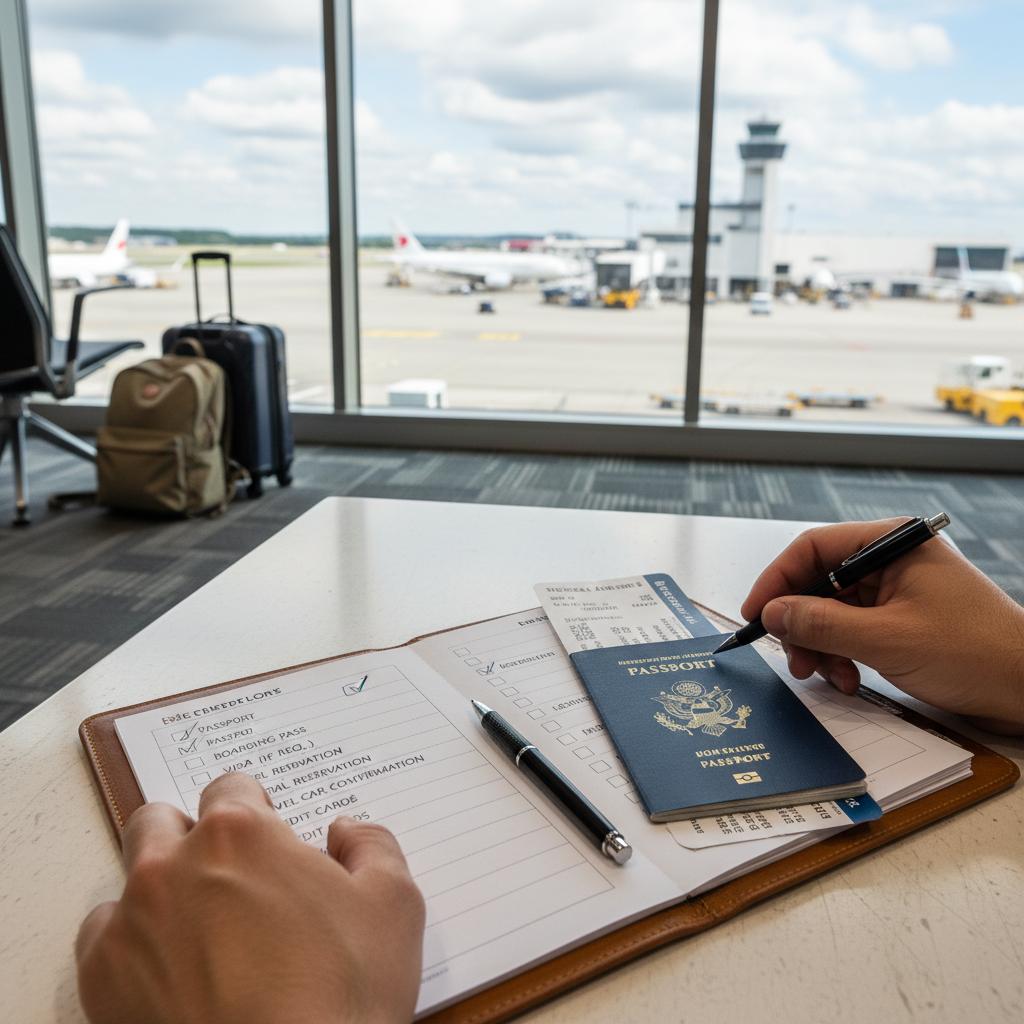
Check the entry rules relevant to your passport and current official travel advice. Look up the transport operator’s current schedules, especially on public holidays, and consider whether your payment card adds foreign transaction fees. If you have mobility needs, consult attraction and station accessibility information individually. Denmark is easy to imagine as a compact destination, but the best trip is still built from realistic daily travel times and a few thoughtful priorities.