Start with practical research
Cuba has a distinctive cultural landscape, with Havana’s historic streets, music traditions and a range of coastal and rural destinations. Before choosing a route, research the situation that will affect your actual travel dates: entry conditions, access to funds, communications, accommodation availability and intercity transport. These details may change more quickly than the landmarks in an old travel article. Do not rely on one traveller’s trip report as proof that a service will be available for you.
Havana at a slower pace
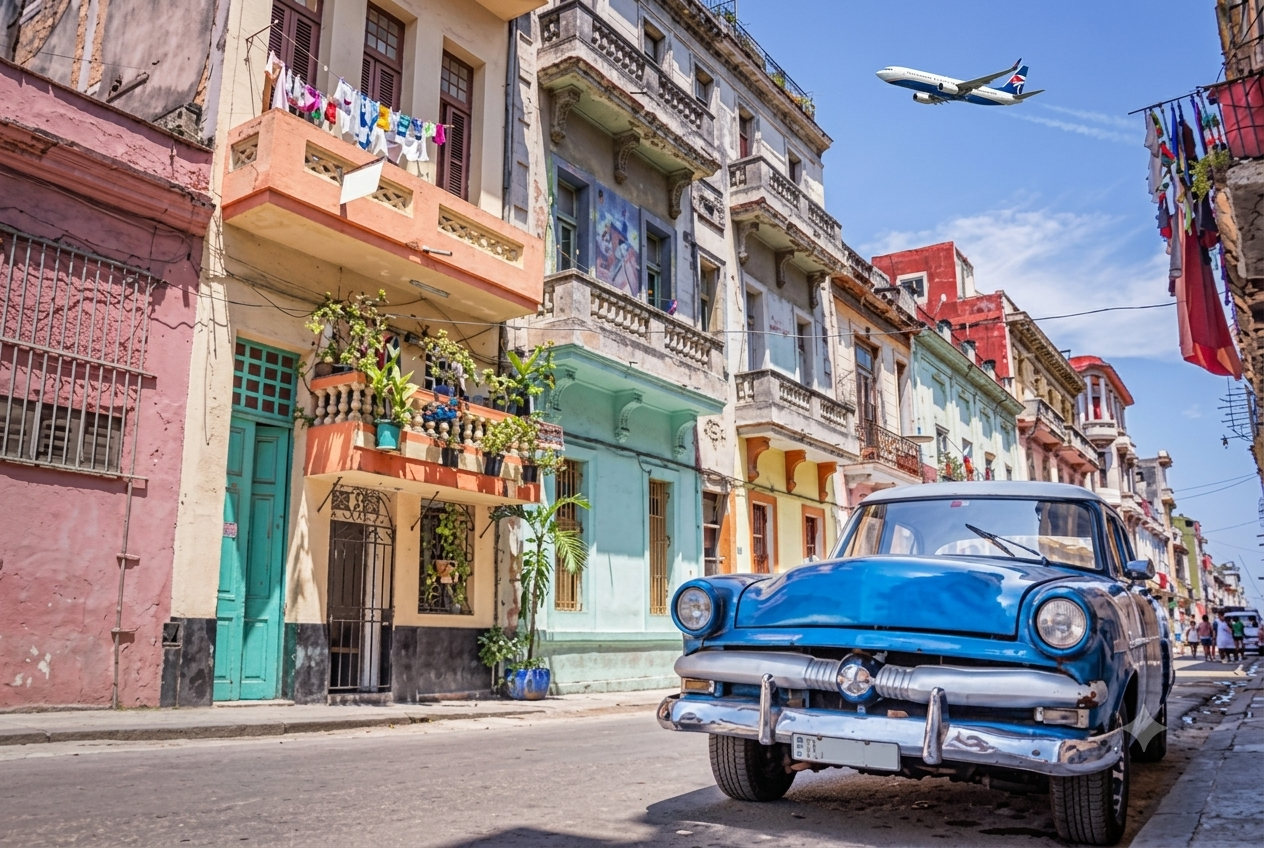
Havana can easily fill several days with architecture, neighbourhood walks, museums and live music. Plan visits by area so you are not crossing the city repeatedly in the heat. Check whether a venue is open before setting out and budget time for the unexpected. Walking routes may include uneven pavements; comfortable footwear and a realistic daily pace matter. If arranging a local guide, confirm the services, meeting point and cost ahead of time. Respect local photography rules and ask before photographing people.
Beyond the capital
Varadero, Trinidad and Viñales represent quite different travel experiences: beach time, preserved townscapes and rural scenery. Choose based on what you want rather than copying an overly compressed circuit. Intercity journeys may be affected by available transport and local conditions. Verify schedules and booking arrangements close to departure and keep room for changes. If you travel to smaller communities, consider how your spending can support local services, while remaining aware of the practical limits on what is available.
Payments, connectivity and documentation
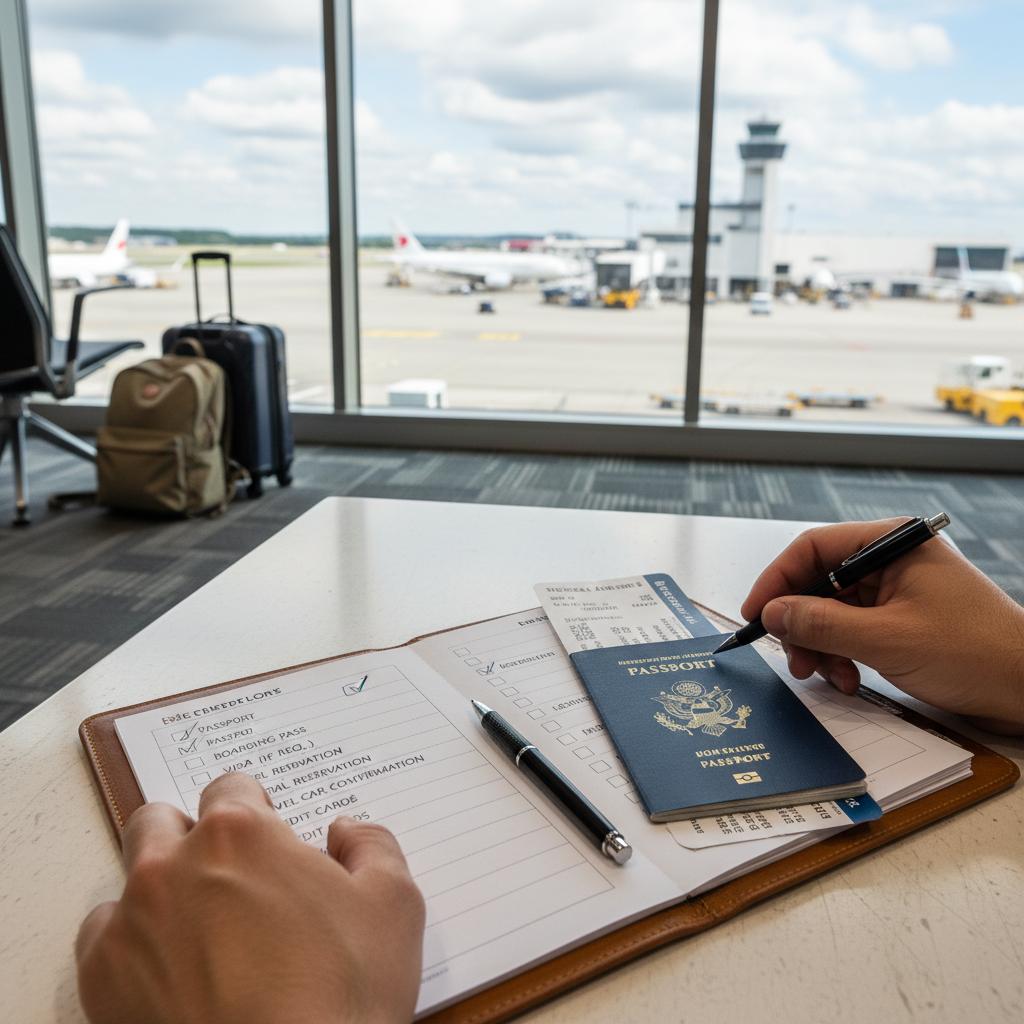
The most important preparation may be administrative. Verify current payment restrictions and card acceptance with your financial institution and the relevant official sources for your nationality. Do not assume a particular foreign card will work everywhere. Check phone roaming, internet access and the documentation you need for accommodation or transport. Keep offline copies of essential confirmations and emergency contacts; a plan that works without constant mobile data is often easier to manage.
Build contingency into the itinerary
Leave generous transfer time before your return flight. Where transport services are limited, the last possible connection can introduce unnecessary stress. Confirm airport transfer arrangements directly with the provider, including whether the quoted price covers all passengers and luggage. Consider appropriate insurance and how you would contact a provider if a flight or hotel arrangement changes. A shorter itinerary with dependable reservations can be more useful than trying to include every landmark.
Travel responsibly
Read current government advisories and airline notices for the route you intend to take, including transit countries. Some travellers may face country-specific restrictions or documentation requirements, so a general travel article cannot make an individual eligibility decision. Learn about local customs, approach cultural experiences with respect and avoid making assumptions based on photographs alone. Cuba can be a rewarding research topic and travel destination, but sound preparation is essential to deciding whether, when and how to visit.